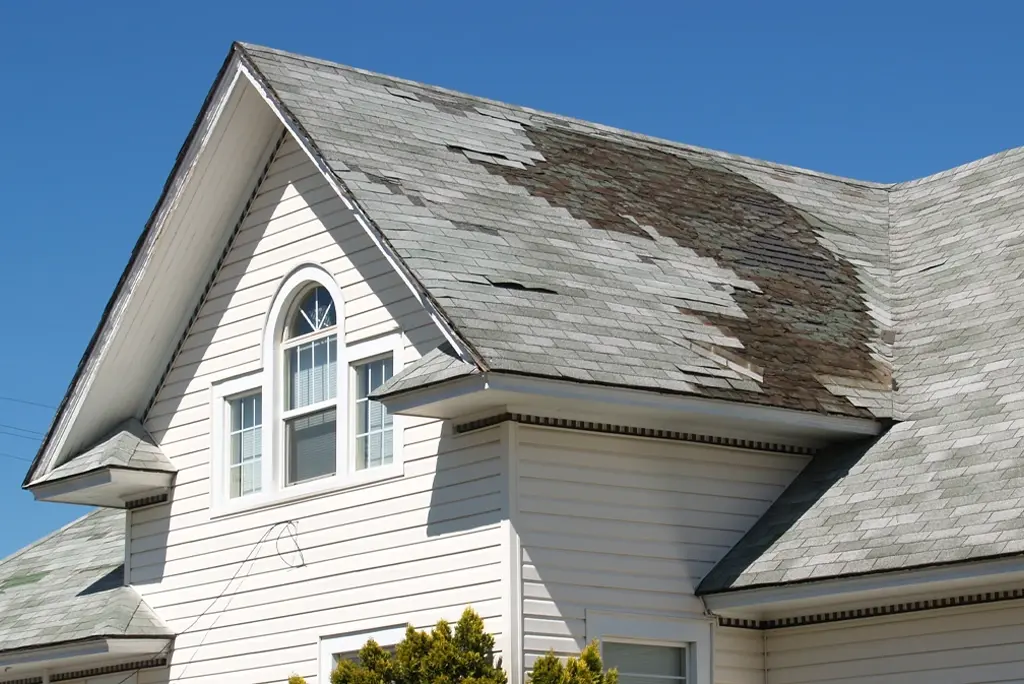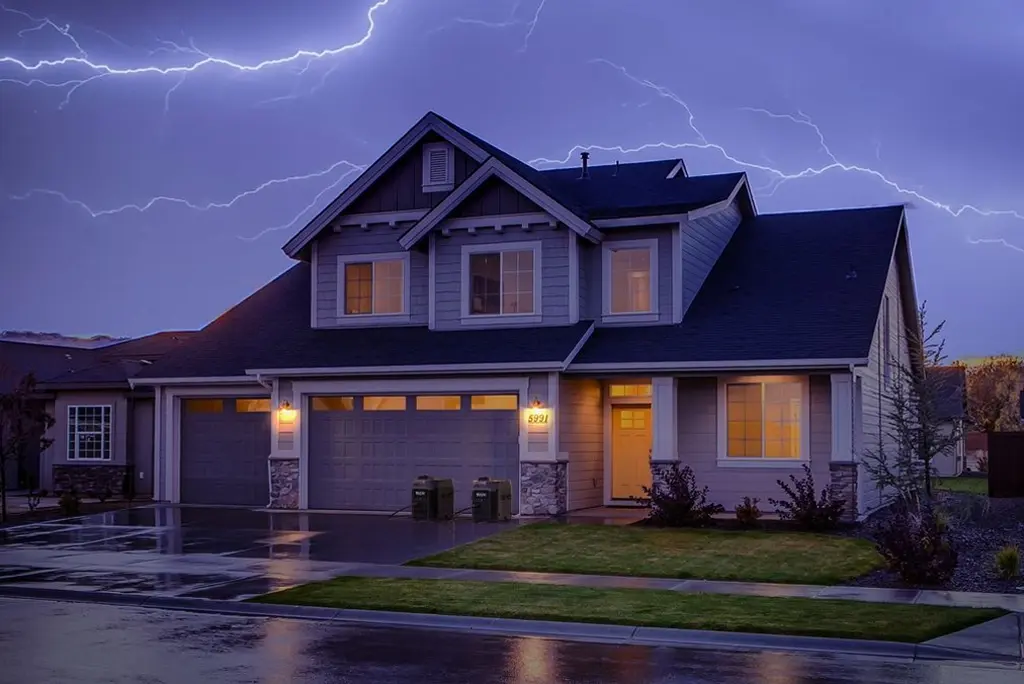
Your roof does a lot of heavy lifting for your home. Rain, snow, hail, wind, whatever the weather throws at it, your roof takes the hit first. If you don’t keep up with maintenance, all that punishment adds up fast, and you’ll end up paying for it. Getting ahead of the storms is probably one of the smartest moves you can make. Spend a little now, save a ton later, and your roof lasts longer, too. This is how to prepare your roof for harsh weather.
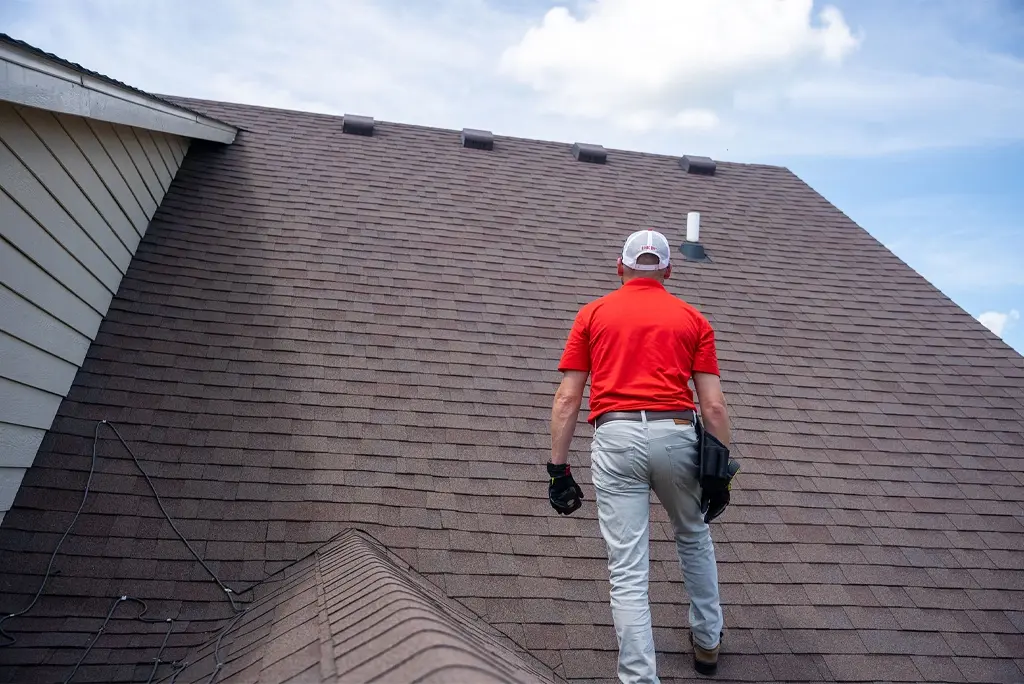
Start by booking a roof inspection before storm season shows up. Don’t just inspect it yourself; professionals spot stuff you’ll miss, like loose shingles, gunked-up gutters, weak spots around vents or chimneys, or flashing that isn’t doing its job. Knock out those little fixes now, and you dodge leaks, mold, and bigger headaches down the road. These roof maintenance tips help you in every way.
Don’t forget the trees. Branches hanging over your roof can snap off in a storm and cause serious damage, like busted shingles or even holes punched right through. Always protect your roof from heavy rain and wind.
Preparing Your Home Roof for Winter
Winter’s tough on your roofing. You get heavy snow, ice dams, biting winds, sometimes all in one week. If your roof isn’t ready, you risk leaks, damage, and heat slipping right out of your house. There are some ways for preparing your home roof for winter, which include;
- Check your insulation and ventilation; If your attic stays warm but can’t vent properly, the snow up top melts unevenly. That’s how you get ice dams at the edges—big, frozen barriers that trap water and push it under your shingles. That’s just asking for leaks. So, make sure your attic has good insulation and airflow. It keeps things steady and stops that freeze-melt-freeze cycle.
- Clear out your gutters and downspouts; Melted snow needs space to drain away. If your gutters are jammed with leaves, water backs up, freezes, and turns your gutters and roof edge into an icy mess. That’s bad news for both the gutters and your roof. So, grab a ladder and clear them out before the first big storm.
- Inspect flashing and sealants: Cold air and winter wind can crack open seals and flashing, the little metal or rubber bits that keep water out. These spots are the first place water sneaks in when things start to thaw or it rains. If you see gaps or peeling, reseal or replace them before winter hits.
These are the roof inspection checklists that you should follow for winter.
Roof Waterproofing and Sealing Services
If you want your roof to stand up to rain, snow, and all the moisture that comes with them, you really can’t beat professional roof waterproofing and sealing services. These steps do more than just add a layer; they can make or break how well your roofing holds up during wild weather, especially if you live somewhere that gets frequent storms or heavy snow.
What exactly is waterproofing? In a nutshell, it’s when a professional applies a special coating to your roofing that keeps water out. This barrier helps keep your roofing materials from wearing out too quickly. It prevents leaks or water from seeping into your house.
There are a few types of waterproofing products out there, and this is how to prepare your roof for harsh weather:
- Bituminous coatings
- Liquid-applied membranes
- Elastomeric coatings
- Silicone-based sealants
Each option works best with certain roof types, such as shingle, tile, metal, and flat. If you have a flat or low-sloped roof, waterproofing is even more important. Those roofs are magnets for standing water, but by following perfection strategies, you can prevent roof leaks.
Why bother sealing your roofs at all? It helps your roofing last longer. It also bounces sunlight away, which can keep your energy bills down. Sealing blocks water from entering and preventing mold, mildew, or rot. You’ll spend less on repairs, and your roof is just better prepared for whatever the weather throws at it. Always follow storm damage roof protection tips for better results.
Emergency Roofing Repair
Even if you’re ready for bad weather, storms can still hit your roofing hard. That’s why it’s just as important to know what to do when disaster strikes as it is to try to prevent it. Some of the most common emergency roofing repairs include tree limbs or debris crashing down during a storm, shingles or panels being ripped away, flashing that starts leaking, or ice dams that form and cause water damage inside your home.
So, what do you do right away? Put safety at the top of your list. Don’t climb up on the roof if there’s major damage. If the storm’s still raging, stay inside and wait it out. Use the best roofing materials for extreme climates. Next, address any water that gets in. Grab buckets or towels to catch leaks, and get anything valuable like electronics or furniture, out of harm’s way.
After that, call an emergency roofing service. Lots of companies have 24/7 help. A professional can put a tarp over any exposed spots to keep things from getting worse until they can come back for a real fix. Don’t forget to take photos of all the damage, inside and out. You’ll need those for your insurance claim, and get the weatherproof roof maintenance guide.
Summed Up
Don’t wait until the weather turns ugly to think about your roofing. Getting ready for storms takes a little planning and some regular upkeep. Sometimes you’ll need to spend a bit on waterproofing or sealing, but it’s worth it. If you keep up with these things, your roof stands a much better chance against heavy rain, snow, or wild winds. It saves you a lot of stress and can keep expensive surprises at bay. Make sure to get a seasonal roof inspection and upkeep.
Winter’s tough on roofing. You’ll want to clear the gutters, check your insulation, and make sure your attic’s got good airflow. Do all that, and you cut down the risk of winter headaches. And if something does go wrong, a leak, missing shingles, whatever. It helps to already know which local roofer you trust for quick repairs. That way, you dodge bigger bills and keep the damage from spreading. Follow the tips for roof damage prevention, and find a local contractor you trust and stick with regular checkups.