
Get quick appointment and technical support: (501) 580-8004
Little Rock, Arkansas

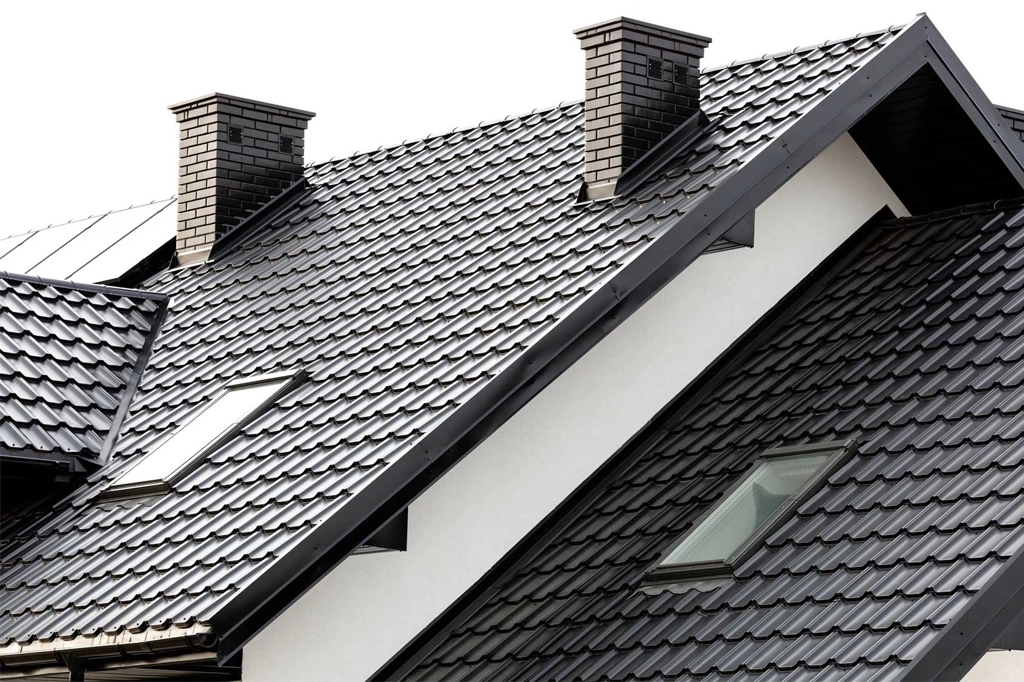
Every property has different roofing requirements. Some buildings need a specific roof design to match their architecture, while others require a particular material, appearance, or installation approach. Standard roofing solutions may not address every project in the same way.
Tanner’s Roofing Service provides custom roofing in Little Rock, AR, for residential and commercial properties. We work with property owners to understand their project goals, review the roof’s requirements, and discuss suitable roofing options.
Whether you are planning a new roof, updating an existing structure, or looking for a roofing solution that fits a specific design, our team can help you discuss the next steps.
Call Tanner’s Roofing Service at (501) 580-8004 to discuss your custom roofing project.
Custom roofing involves planning a roofing solution around the requirements of a particular building. The design, material, roof structure, slope, drainage, and appearance can all influence the final result.
Tanner’s Roofing Service works with homeowners and business owners who have specific roofing requirements. Each project should begin with an understanding of the property and the work involved.
Our custom roofing services may involve:
Roofing solutions based on property design
Material and style selection
Custom roof installation planning
Residential roofing projects
Commercial roofing requirements
Roofing upgrades and replacement planning
Assessment of existing roof structures
The available options depend on the building, project scope, material suitability, and installation requirements.

We start with what you want, then check it against your structure, budget and local code.
You get a clear scope, materials and price in writing before work starts.
The people who plan your roof are the people who install it.
Custom roofing is a roofing approach designed around the specific needs of a property instead of relying on one standard solution for every building.
For example, a homeowner may want a roof that complements a particular architectural style. A commercial property owner may need a roofing design that considers the building’s layout, drainage requirements, and practical use.
A custom roofing project may involve decisions about:
Roof shape and design
Roofing material and finish
Roof slope and structure
Water drainage
Flashing and roof edges
Ventilation requirements
Appearance and building design
The goal is to select a suitable roofing solution that addresses the property’s functional and visual requirements.
Homeowners often have specific ideas about how they want their roofs to look and perform. The roof should complement the home’s exterior while meeting the property’s structural and practical requirements.
Residential custom roofing may be considered for:
New home construction
Home renovation projects
Changes to an existing roof design
Roofing material upgrades
Replacement of an older roofing system
Homes with unique architectural features
Before selecting a roofing design, the existing structure, roof slope, drainage, and material compatibility should be reviewed.
Tanner’s Roofing Service can discuss your residential roofing requirements in Little Rock and help you understand the available options.
If your project involves a complete new roof rather than a specialized design, you can also explore our roof installation services.
Commercial properties can have roofing requirements that differ from residential buildings. Building size, roof layout, drainage, equipment placement, and the intended use of the property can all influence the roofing plan.
Commercial custom roofing may involve selecting a suitable roofing material, planning roof details, and considering how the roofing system will work with the existing structure.
Some important considerations include:
Building layout and roof dimensions
Roof slope and drainage requirements
Roofing material compatibility
Roof access and maintenance needs
Existing rooftop equipment
Installation requirements and project scope
A suitable roofing plan should account for the building’s actual requirements rather than selecting materials based on appearance alone.
For projects involving larger commercial buildings, you can also learn about our commercial roofing services in Little Rock.
Material selection is an important part of custom roof design. Different materials have different appearances, installation requirements, costs, and maintenance considerations.
The right choice depends on your property’s structure, budget, roof design, and the performance requirements of the roofing system.
Metal roofing is available in different panel styles, profiles, and finishes. It may be suitable for projects where the property owner wants a particular appearance or a metal-based roofing system.
Standing seam, corrugated panels, and metal shingles are examples of metal roofing styles. Product availability and suitability should be confirmed for each project.
Explore our metal roofing services in Little Rock for more information about metal roofing options.
TPO is a single-ply membrane roofing material commonly considered for suitable low-slope and flat roofing applications.
Its suitability depends on the roof structure, drainage, building requirements, and product specifications.
For projects involving this material, visit our TPO roofing services.
Other roofing materials may be considered depending on the property’s design and the project requirements. Material selection should account for roof slope, structural support, local conditions, product specifications, and installation methods.
Not every roofing material is appropriate for every building. A proper assessment helps narrow down the options.
A custom roof should be planned around the building rather than selected only for its appearance. Several factors can influence the design and installation process.
The roof should complement the property’s overall design. Roof shape, color, material, and visible details can affect how the building looks from the outside.
The existing roof structure must be suitable for the proposed design and material. Changes to roof weight, framing, or layout may require additional assessment.
Roofing materials and installation details should be selected with local weather conditions in mind. Rain, wind, heat, and storm exposure can affect material and design choices.
Roof slope, valleys, flashing, gutters, and drainage paths all influence how water moves off the building. Poor planning can create areas where water collects or enters the roof system.
Different roofing materials and designs have different project costs. Comparing material specifications, installation requirements, and long-term maintenance needs can help property owners make a practical decision.
The proposed roofing work should be reviewed against applicable building codes and project requirements. Structural changes or specialized designs may require additional professional review.
Every custom roofing project has its own requirements. A clear process helps property owners understand the work before installation begins.
We begin by understanding what you want to achieve. This may include a particular roof appearance, material preference, renovation goal, or building requirement.
The roof and relevant building details should be assessed to identify structural considerations, existing damage, drainage issues, and other factors that may affect the proposed work.
Based on the project requirements, suitable roofing materials and design options can be discussed. The selection should account for performance, appearance, installation requirements, and budget.
The project scope should identify the planned work, selected materials, and relevant installation details. Any additional structural or code-related requirements should be addressed before work begins.
The roofing work is carried out according to the agreed project scope and the requirements of the selected roofing system.
The completed roof should be inspected for installation details, flashing, drainage, and other relevant components.
Some custom roofing projects involve installing a new roofing system, while others require replacing an existing roof with a different design or material.
Custom roof installation may be appropriate for new construction or building additions. Custom roof replacement may be considered when the existing roof is deteriorated, damaged, or no longer meets the property’s requirements.
Before proceeding, it is important to understand whether the project requires:
A complete roof installation
Removal of existing roofing materials
Changes to the roof design
Replacement of damaged roof components
New flashing or drainage details
A different roofing material
If your existing roof has reached the point where replacement is necessary, visit our roof replacement page to learn more.
Not every roofing project requires a complete replacement. Some properties need repairs or updates to specific roof sections while keeping the existing roofing system.
The right approach depends on the condition of the roof and the type of modification required.
For example, a project may involve repairing damaged areas, updating roof details, or addressing problems around flashing and drainage components.
Before making design changes, the existing roof should be inspected to determine whether the proposed work is compatible with its structure.
For damaged or leaking roofing systems, explore our roof repair services.
A custom roofing project requires attention to the property’s design and practical requirements. The selected materials and installation approach should work with the building rather than create additional problems.
Tanner’s Roofing Service provides residential and commercial roofing services in Little Rock, Arkansas. We can discuss your project requirements and help you understand the roofing work involved.
When planning a custom roofing project, it is important to have clear information about:
The proposed roofing work
Available material options
Installation requirements
Project scope
Property-specific considerations
Our goal is to understand your roofing needs and discuss an appropriate approach for your property.
Tanner’s Roofing Service is based in Little Rock, Arkansas. We work with property owners in the local area who need roofing installation, repair, replacement, and customized roofing solutions.
Whether you are planning a residential roofing upgrade or discussing a commercial roofing project, contact our team to explain your requirements and confirm service availability for your property.
Custom roofing refers to planning a roofing solution around the specific design, material, structural, and functional requirements of a property. It may involve a particular roof style, material selection, or specialized installation details.
Tanner’s Roofing Service lists custom roofing among its services for residential and commercial properties. Contact the team to discuss your home’s design and project requirements.
Material options depend on the property’s structure, roof design, product availability, and installation requirements. You can discuss your preferred material with the roofing team before finalizing the project.
The cost depends on the design, materials, roof dimensions, structural requirements, and installation work. A project with specialized materials or additional construction work may cost more than a standard roofing installation.
Yes. Custom roofing can be planned for suitable commercial properties. The building’s layout, drainage, roof structure, and intended use should be considered before selecting a roofing system.
Some roof design changes are possible, but they may involve structural modifications, additional materials, and building code considerations. The existing roof should be assessed before any changes are planned.
Planning a roofing project with specific design or material requirements? Tanner’s Roofing Service can discuss custom roofing solutions for residential and commercial properties in Little Rock, AR.
Call (501) 580-8004 or visit our contact page to discuss your project.