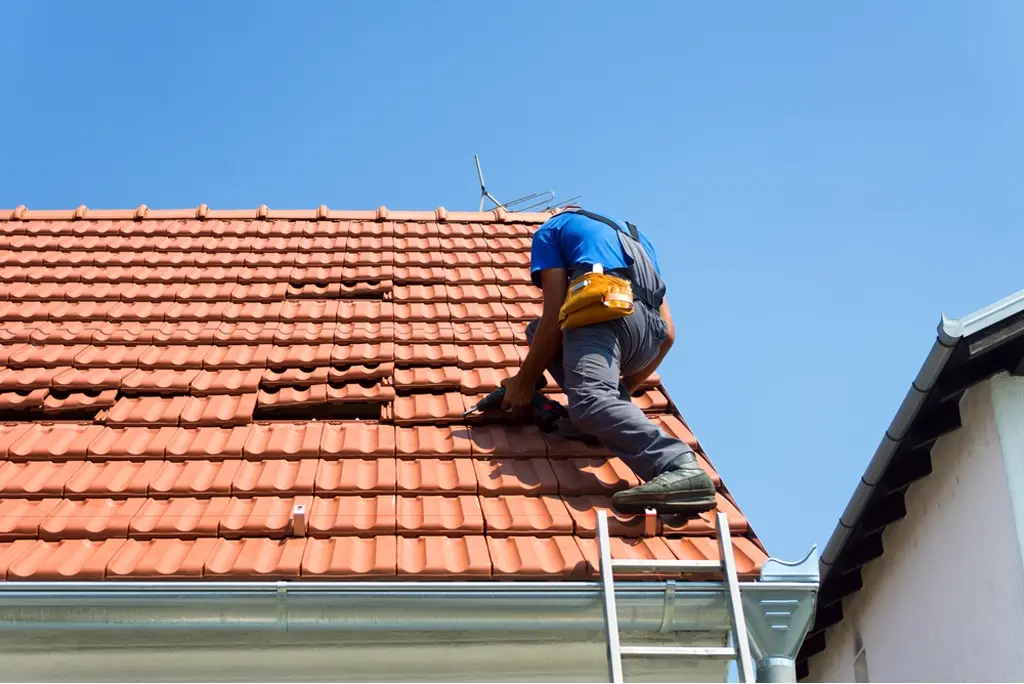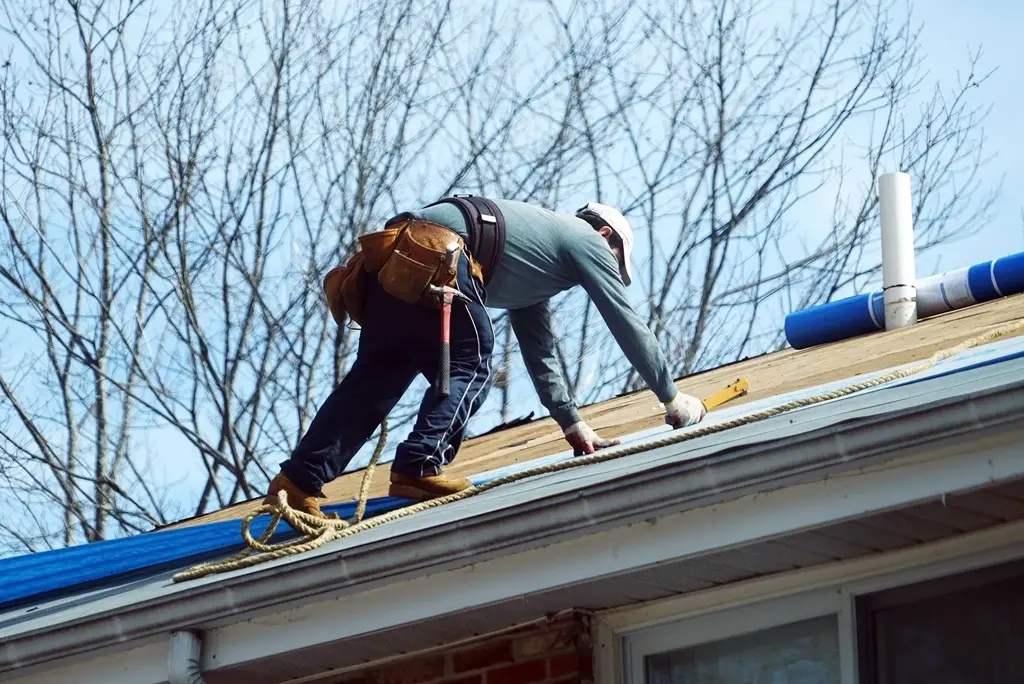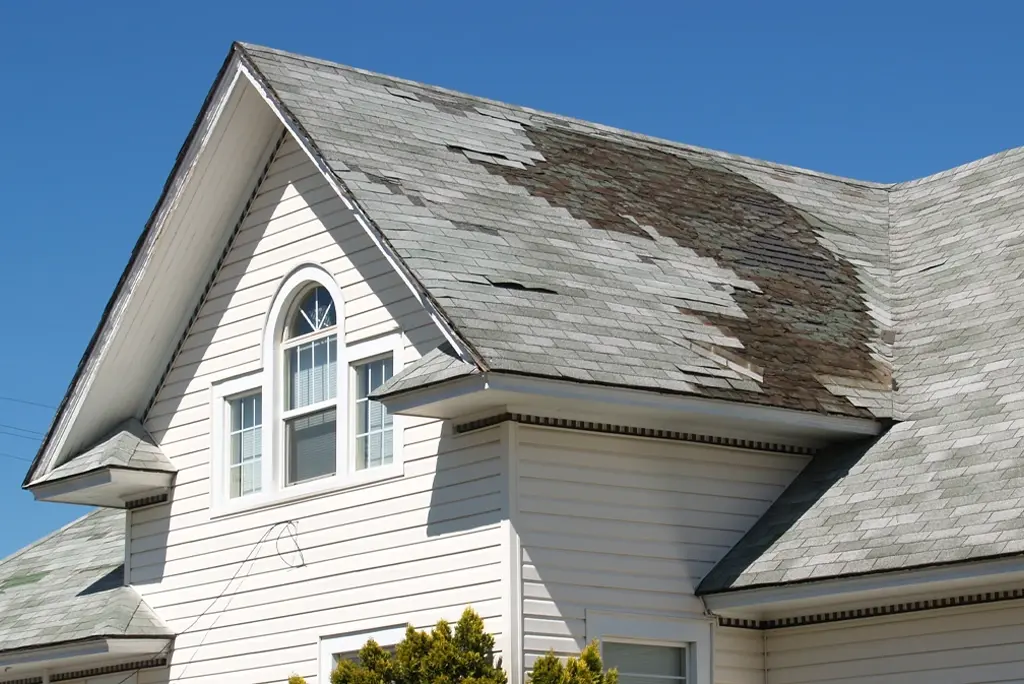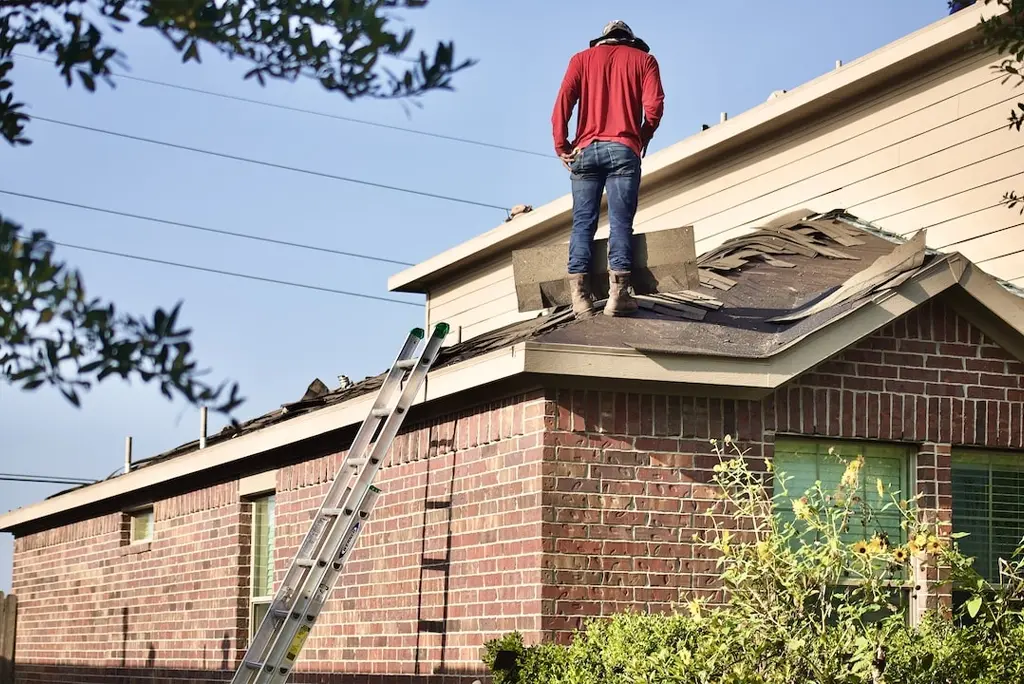
A roof leak is stressful, especially when rain is coming into your home. If you are wondering how to find a trusted emergency roofer near me in Little Rock AR, focus on three things: stay safe, reduce further damage, and choose a roofer you can check before agreeing to work. This guide explains what counts as an emergency, what to do right away, how to compare roofers near me, and which warning signs should make you cautious.
What Makes a Roof Problem an Emergency?
A roof problem is an emergency when waiting could let more water into the home or make damage worse. Examples include an active leak during heavy rain, roofing materials blown away by wind, a hole caused by a tree limb, or damage around vents, chimneys, skylights, or other roof openings.
Not every damaged shingle needs emergency work. However, a small opening can become a bigger problem if more rain or strong wind is expected. If you are looking for emergency roof repair Little Rock AR, tell the roofer what you can safely see: where water is showing inside, when it started, and whether the problem followed wind, hail, or a fallen branch. These details help a trusted emergency roofer in Little Rock judge how urgent the problem may be.
What to Do Before a Roofer Arrives?
Your safety comes first. Do not climb onto a wet, steep, or damaged roof. Rain, loose shingles, strong wind, and weakened wood can make a roof unsafe even when the damage looks small.
If water is coming into your home:
- Move furniture, electronics, rugs, and valuables away from the wet area.
- Place a bucket or container under a drip.
- Use towels to keep water from spreading.
- Stay away from wet light fixtures, outlets, wiring, and electrical panels.
- Take photos of visible damage from a safe place.
- Write down when the leak started and whether rain or wind makes it worse.
A tarp or temporary cover may help, but only when the roof can be reached safely, and the person doing the work knows how. If conditions are dangerous, stay off the roof. Waiting for a qualified roofer is safer than risking a fall.
How to Check an Emergency Roofer Near Me?
When water is entering your home, it is tempting to hire the first person who answers. A few quick checks can help. A search for emergency roofer near me may give you many names, but being nearby does not automatically make a contractor trustworthy.
Check the business and contractor information
Ask for the business name and the contractor information that applies to the job. Arkansas provides a public contractor lookup through the Arkansas Contractors Licensing Board. Because requirements can vary by the type of work, ask what applies and verify the information instead of relying only on an ad or verbal claim.
Ask for proof of insurance
Ask whether the roofer can provide current proof of insurance that applies to the work. Do not assume a company is insured because it has a website, truck, or business card. This is an important basic check before roofing work begins.
Make sure the problem is explained clearly
A trusted emergency roofer should explain the problem in words you understand. You should know what appears damaged, what may have caused it, and what the roofer recommends next. If the first step is only a temporary repair to stop water from entering, that should be clear too.
Do not compare price alone
If you have time to compare estimates, look at what each roofer is offering. Check the repair area, materials, cleanup, payment terms, and anything not included. When comparing roofers Little Rock AR, a clear written estimate is more useful than a low price with little explanation.
What Should an Emergency Roof Estimate Include?
An estimate should tell you what area will be repaired, how it will be repaired, and what materials are expected. It should also say whether the work is temporary or permanent. If more damage may be found after old roofing is removed, ask how that could affect the work and price.
For roof leak repair, the wet spot on your ceiling may not be directly below the opening in the roof. Water can move along wood or insulation before it drips into a room. The roofer should look for the actual source instead of only focusing on the indoor stain.
For larger roof damage repair, ask what parts of the roof were checked. This may include shingles, metal flashing around openings, roof valleys, vents, and exposed wood. You do not need roofing knowledge to ask for a simple explanation of what is damaged and why the repair is needed.
Be Careful After Wind, Hail, and Severe Storms
Strong storms can cause several types of roof damage at once. You may notice missing shingles, lifted roofing material, damaged flashing, dents, holes, fallen branches, or a new leak.
For storm damage roof repair, take photos from the ground or another safe place and avoid rushed decisions. A careful inspection should explain what looks storm-related, what may be normal wear, and which problems need attention now.
If an insurance claim may be involved, keep photos, estimates, invoices, and messages together. A roofer can explain what was found, but the insurance company decides what your policy covers.
Red Flags to Watch For
Even during an emergency, warning signs matter. Be careful if a contractor will not provide a written description of the work, cannot give you business information you can verify, pressures you to sign immediately, or promises that insurance will definitely pay.
Also ask questions if payment terms are unclear. You should understand how much is due, when it is due, and what the payment is for.
A trusted roofing company should make the situation easier to understand, not more confusing. Ask about the repair, materials, insurance, contractor status, payment, cleanup, and any warranty actually offered. If answers are vague or keep changing, compare another roofer if the situation safely allows it.
Simple Questions to Ask Before You Approve Work
You do not need a long interview. Ask:
- What damage did you find?
- What probably caused it?
- Is this a temporary repair, a permanent repair, or both?
- What areas and materials are included?
- What contractor license or registration applies?
- Can you provide proof of insurance?
- What could make the final price change?
- Who will remove debris and old roofing materials?
- What are the payment terms?
These questions are useful whether you are comparing roof repair Little Rock AR options or dealing with an active leak. The goal is to understand what will be done, why it is needed, and what you are agreeing to pay for. A trusted emergency roofer in Little Rock should be able to answer in plain language.
Choose Based on Clear Information, Not Pressure
A roofing emergency may give you less time to compare contractors, but you can still make a careful decision. Stay safe, control indoor water when possible, document visible damage, verify contractor information, ask for a written scope of work, and make sure you understand whether the repair is temporary or permanent.
If you choose to contact Tanner’s Roofing Service, describe only what you can safely observe and ask for a clear explanation of the roof condition and recommended repair. Use the same approach with any roofing company you are considering.
Frequently Asked Questions
How quickly should I deal with an active roof leak?
An active leak should be addressed as soon as practical because water can spread into ceilings, walls, insulation, flooring, and belongings. Move valuables away, use a container to catch dripping water, and stay away from wet electrical areas. Do not climb onto a wet or damaged roof. Arrange for the source of the leak to be inspected.
Should I put a tarp on a damaged roof myself?
Only if the roof can be reached safely and you have the right experience and equipment. Wet roofing, steep slopes, damaged wood, wind, and lightning can make roof work dangerous. A tarp may reduce water entry, but preventing an injury is more important than attempting a temporary repair yourself.
How can I check an Arkansas roofer’s license or registration?
Ask the roofer what license or registration applies to the work, then check the information through the Arkansas Contractors Licensing Board’s public contractor lookup. Requirements can vary depending on the type of work. Verification is more reliable than depending only on a business card, advertisement, or verbal statement.
Does a ceiling stain show exactly where the roof is leaking?
No. Water can enter through damaged shingles, flashing, vents, valleys, or other openings and then travel before it reaches the ceiling. The indoor stain may be away from the actual roof problem. Good roof leak repair starts by finding the source of the water, not just covering the ceiling stain.
What should I compare in emergency roofing estimates?
Compare the repair area, repair method, materials, work not included, cleanup, payment terms, and whether the repair is temporary or permanent. Ask what happens if hidden damage is found after work begins. A clear estimate makes it easier to understand the job and compare one roofer with another.