
Get quick appointment and technical support: (501) 580-8004
Commercial roofing plays an important role in protecting business properties from water intrusion, weather exposure, and roofing system deterioration. Tanner’s Roofing Service provides commercial roofing in Little Rock, AR, for property owners who need roofing repairs, replacement, installation, or assistance with existing roof conditions.
Commercial buildings have different roofing requirements depending on their design, roof structure, drainage, materials, and daily operations. Our approach is to understand the property’s roofing needs and discuss suitable options based on the project.
Whether you manage an office, retail property, warehouse, or another commercial building, contact Tanner’s Roofing Service to discuss your commercial roofing project.
Call (501) 580-8004 to discuss your commercial roofing needs.
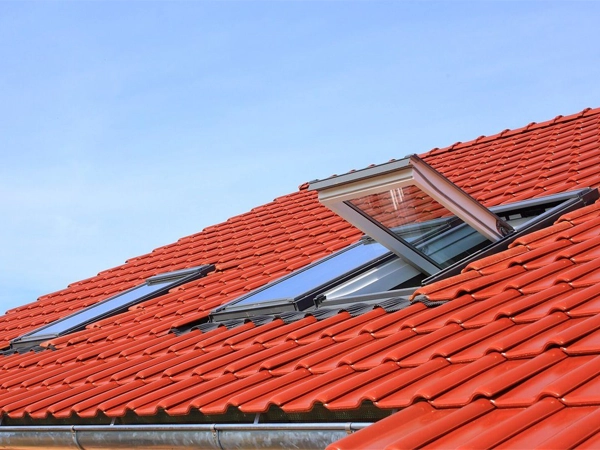
Tanner’s Roofing Service works on commercial roofing projects involving existing roofing systems and new roofing requirements. The appropriate service depends on the condition of the roof, the building’s design, and the work required.
Our commercial roofing services may include:
Commercial roof repair
Commercial roof replacement
Commercial roof installation
TPO roofing
Roof leak assessment
Roofing system evaluation
Roofing material replacement
Roof flashing and drainage-related work
Each project should begin with an understanding of the existing roof and the requirements of the property.
Commercial roof problems can develop gradually or occur following severe weather. Small areas of damage may allow moisture to enter the building, potentially affecting ceilings, insulation, interior finishes, and other components.
Commercial roof repair focuses on identifying the source of the problem and addressing the affected roofing components.
Commercial property owners may experience:
Water leaks around roof penetrations
Damaged or deteriorated flashing
Roofing membrane damage
Open seams or separated roofing components
Ponding water caused by drainage problems
Storm-related roofing damage
Deteriorated roofing materials
Moisture-related damage beneath roofing surfaces
The visible location of a leak does not always identify where water enters the roof. Water may travel across roofing layers or building components before becoming visible inside the property.
Commercial roof leak repair begins with assessing the affected area and investigating potential water entry points.
Depending on the roofing system, the inspection may involve checking seams, flashing, roof penetrations, drainage areas, and visible material damage.
The appropriate repair depends on the roofing material, the extent of deterioration, and the condition of surrounding components.
If the damage is isolated and the remaining roof is in suitable condition, targeted repair may be practical. Widespread deterioration may require evaluating replacement options instead.
Commercial roof replacement may be appropriate when a roofing system has extensive deterioration, recurring leaks, widespread damage, or conditions that make continued repairs impractical.
A commercial replacement project involves more than installing new roofing material. The existing system, roof deck, drainage, penetrations, and other components should be considered during project planning.
A commercial roof may need replacement evaluation when:
Leaks continue despite previous repairs.
Roofing materials show widespread deterioration.
Significant areas of the membrane are damaged.
Moisture has affected underlying roofing components.
The existing roofing system has reached the end of its useful service life.
Repair requirements are becoming extensive or recurring.
An inspection can help determine whether repair, partial replacement, or a complete roofing replacement is the appropriate option.
Some commercial roofing projects require removing existing roofing materials before installing a new system. Other projects may have different preparation or installation requirements depending on the existing roof and proposed system.
The replacement scope should explain:
Which existing materials will be removed
How the roof surface will be evaluated
Whether deck repairs or additional preparation are needed
Which roofing materials will be installed
How drainage and flashing components will be addressed
What work is included in the estimate
For properties considering a complete roofing upgrade, our roof replacement services provide additional information about replacement projects.
Commercial roof installation involves selecting and installing a roofing system appropriate for the building’s design and intended use.
The roofing system may depend on roof slope, drainage, structural requirements, building use, and material specifications.
New commercial roof installation may be required for new construction, building additions, or projects involving a new roofing system.
During project planning, property owners should consider the roofing material, roof access, drainage design, flashing requirements, and other components that affect the finished system.
Learn more about our roof installation services for additional information about new roofing projects.
TPO, or thermoplastic polyolefin, is a roofing membrane commonly used on low-slope commercial roofs.
The suitability of a TPO system depends on the building’s roof design, existing materials, drainage, and project specifications.
TPO roofing installation involves preparing the roof surface and installing the membrane and associated roofing components according to the selected system requirements.
Project considerations may include:
Existing roof condition
Roof deck preparation
Membrane selection
Seam and flashing details
Roof penetrations
Drainage and water management
Compatibility with existing roofing components
TPO roofing may develop damage around seams, penetrations, flashing, or exposed membrane areas.
Repair requirements depend on the type and location of damage and the condition of the surrounding membrane.
A commercial roof assessment can help determine whether localized TPO repair or a broader replacement project is more appropriate.
Explore our TPO roofing services for additional details about this roofing system.
Commercial roofing materials should be selected according to the building’s requirements rather than appearance alone.
Different roofing systems have different installation methods, maintenance considerations, and suitability for particular roof designs.
Low-slope roofs are common on many commercial buildings. Their performance depends on appropriate roofing materials, drainage, flashing, and installation details.
Water management is particularly important because the roof design may not allow water to drain as quickly as it does on steeper roofs.
TPO membranes are commonly used on low-slope applications. They can be considered for suitable commercial buildings based on project requirements and system specifications.
Metal roofing may be appropriate for certain commercial building designs, depending on the structure, slope, and roofing specifications.
Learn more about our metal roofing services to explore metal roofing options.
The right commercial roofing system should be evaluated according to the building’s condition, intended use, and project scope.
A commercial roof inspection helps property owners understand the condition of the roofing system and identify visible concerns that may require attention.
An assessment may include reviewing:
Roofing membrane or surface condition
Roof seams and transitions
Flashing around penetrations
Drainage areas and roof drains
Visible signs of water intrusion
Damaged or deteriorated roofing components
Areas requiring repair or further evaluation
The findings can help determine whether the property needs maintenance, repair, replacement, or additional investigation.
A roofing assessment should explain the observed conditions and the recommended next steps rather than automatically assuming that every roof requires replacement.
Commercial roof maintenance can help property owners identify developing problems before they become more extensive.
Roofing systems should be evaluated periodically according to their condition, material, building use, and maintenance requirements.
Property owners should pay attention to:
Roof drainage and water accumulation
Debris around roof drains
Flashing and roof penetrations
Visible membrane damage
Signs of water intrusion inside the building
Roofing components affected by severe weather
Areas with recurring repair concerns
Maintenance requirements vary by roofing system. A qualified roofing professional can help identify appropriate maintenance considerations for the property.
Commercial roofing requirements vary depending on the building’s use and design.
Office buildings may have low-slope roofing systems, roof penetrations, HVAC equipment, and drainage components that require consideration during repair or replacement.
Retail roofing projects may involve coordinating roofing work with building access, customer areas, and operating schedules.
Warehouse and industrial properties often have large roof areas and multiple roofing components. Project planning should consider roof access, drainage, existing material condition, and the building’s operational requirements.
Commercial roofing needs can also vary for storage facilities, institutional buildings, and other property types.
The roofing system and project scope should be selected according to the building’s actual requirements.
A structured project process helps commercial property owners understand the work involved and plan accordingly.
The project begins with understanding the building, existing roofing conditions, and the concerns reported by the property owner or manager.
The roof is evaluated to identify visible damage, deterioration, drainage concerns, and other conditions relevant to the project.
Based on the assessment, the project may involve repair, replacement, installation, or additional evaluation.
The proposed scope should explain the roofing materials, preparation work, relevant components, and other requirements.
The agreed roofing work is carried out according to the project scope and applicable system requirements.
The completed work and cleanup should be reviewed, with relevant project information communicated to the property owner.
Commercial roofing costs depend on the size, condition, design, and requirements of the building.
Factors that can affect an estimate include:
Total roof area
Roof height and accessibility
Existing roofing material
Removal and disposal requirements
Roof deck condition
Roofing membrane or material selection
Flashing and penetration details
Drainage and water management requirements
Additional preparation or repair work
Project access and operational considerations
Commercial roof repair, replacement, and installation have different scopes, so estimates should be based on the actual project rather than a general roofing price.
A property assessment can help clarify the work required and the materials involved.
Commercial property owners need a roofing solution that considers the building’s condition, material requirements, and project scope.
Tanner’s Roofing Service works on residential and commercial roofing projects throughout Central Arkansas.
When evaluating a commercial roofing contractor, property owners should consider:
Experience with the relevant roofing system
Clear project scope and estimate
Understanding of the building’s roofing requirements
Appropriate material selection
Communication during project planning
Relevant completed roofing work
Clear explanation of repair and replacement options
You can explore completed roofing projects to view roofing work featured by Tanner’s Roofing Service.
Tanner’s Roofing Service provides commercial roofing solutions involving repair, replacement, installation, and TPO roofing. The appropriate service depends on the property and roofing system.
Localized damage may be repairable, while widespread deterioration or recurring leaks may indicate that replacement should be evaluated. A roof assessment can help identify the appropriate option.
Commercial roofing costs depend on roof size, material selection, existing roof condition, removal requirements, access, and project complexity. An assessment is needed for a property-specific estimate.
Project coordination depends on the property, work area, access requirements, and roofing scope. Discuss operating hours and access limitations during project planning.
Inspection frequency depends on the roofing system, building conditions, maintenance requirements, and weather exposure. Property owners should follow the appropriate inspection and maintenance recommendations for their roof.
If your commercial property needs roofing repair, replacement, installation, or a roofing assessment, Tanner’s Roofing Service can help you discuss the project requirements.
Contact our team to learn more about commercial roofing options for your building.