
Get quick appointment and technical support: (501) 580-8004
Severe weather can leave a roof with problems that are not always visible from the ground. Strong winds may loosen shingles, hail can damage roofing materials, and fallen branches can create openings that allow water into your property.
Tanner’s Roofing Service provides roof repair services for property owners dealing with storm-related roofing damage in Little Rock, AR. Whether your roof has missing shingles, visible impact damage, a leak, or damage around flashing, identifying the affected areas is an important first step.
Our team can discuss your roofing concerns and help you understand the repair options available for your property.
Call (501) 580-8004 to discuss your storm-damaged roof.
Button: Request a Roof Inspection
Not all storm damage looks the same. Some problems are immediately noticeable, while others may require a closer inspection to identify.
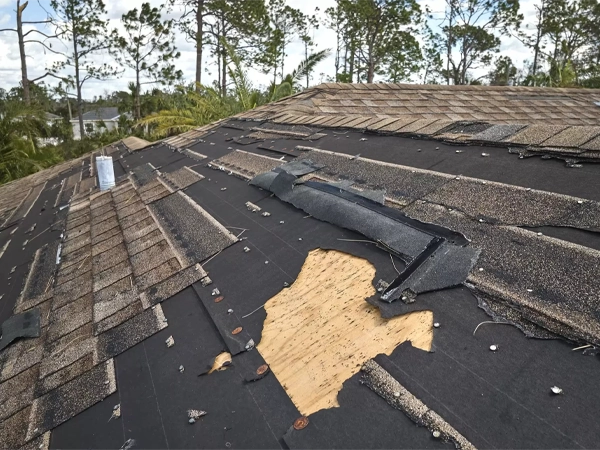
After severe weather, look for these warning signs from a safe location:
Missing or Lifted Shingles: Strong winds can loosen shingles, expose the underlying roofing layers, or remove sections completely.
Hail Impact: Hail can leave dents, cracks, or other signs of impact on certain roofing materials and components.
Damaged Flashing: Wind and flying debris can affect flashing around chimneys, vents, roof edges, and other openings.
Water Stains: New stains on ceilings or walls may indicate that moisture has entered through a damaged roof area.
Fallen Branches: Tree limbs and other debris can damage shingles, puncture roofing materials, or affect the roof structure.
Loose Roofing Components: Ridge caps, vents, and other roof components may become loose during strong winds.
Avoid climbing onto a storm-damaged roof. A professional inspection can help identify problems without exposing you to unnecessary risk.
Hailstorms can affect different roofing materials depending on the size of the hailstones, wind conditions, and the roof’s age and condition.
On asphalt shingle roofs, hail may cause visible bruising, granule loss, or damaged shingles. Metal roofing may show dents, while roof vents, flashing, and other exposed components can also be affected.
Some signs of hail damage include:
Dents or impact marks on metal roof components.
Damaged or fractured shingles.
Unusual granule accumulation near downspouts.
Damage to roof vents, flashing, or other accessories.
Water intrusion that develops after the storm.
Hail damage is not always easy to identify from the ground. A qualified roofing professional can examine the roof surface and relevant components to determine whether repairs are needed.
If the inspection identifies an active leak or other roofing problem, our roof repair services may help address the affected areas.
Strong winds can lift shingle edges, loosen roofing materials, and damage exposed roof components. Even when the entire roof appears intact, individual sections may have been affected.
Common wind-related roofing problems include:
Wind can remove shingles or shift them out of position, leaving parts of the roof exposed to rain.
Ridge caps protect the upper edges of a roof. Loose or missing ridge materials can create vulnerable areas that need attention.
Flashing around roof penetrations and edges may become loose or damaged, creating possible entry points for moisture.
Fallen branches can crack shingles, damage roof decking, or cause more extensive structural concerns.
The appropriate repair depends on the type and extent of damage. An inspection helps determine whether localized repairs or more extensive roofing work may be necessary.
Some storm-related roofing problems require prompt attention, particularly when water is actively entering the building or the roof has been left exposed.
If your property has sustained significant damage:
Keep Away From Unsafe Areas: Do not climb onto the roof or approach fallen electrical lines.
Protect Interior Belongings: Move furniture and valuables away from leaking areas when it is safe to do so.
Contain Interior Water: Use suitable containers to collect dripping water if necessary.
Document Visible Damage: Take photographs from safe locations and record the date of the storm.
Arrange a Roof Inspection: Contact a roofing professional to evaluate the damage and discuss suitable next steps.
Temporary roof protection, such as tarping, may be appropriate in certain situations, depending on the roof’s condition and the availability of the service.
For urgent roofing concerns, contact Tanner’s Roofing Service at (501) 580-8004 to discuss your situation and confirm service availability.
Flat and low-slope roofs can experience different types of storm damage compared with shingle roofing systems. Heavy rain, wind-driven debris, and damaged membrane details can affect the roof’s ability to keep water out.
Common issues include:
Punctures or tears in the roofing membrane.
Damaged seams or membrane connections.
Loose or deteriorated flashing.
Debris blocking roof drains.
Water pooling around low areas.
Damage around pipes, vents, and other penetrations.
The repair method depends on the roofing material and the location of the damage. For example, a membrane repair requires compatible materials and appropriate preparation of the affected surface.
Tanner’s Roofing Service also provides TPO roofing services for suitable flat and low-slope roofing applications.
Not every storm-damaged roof needs complete replacement. The right approach depends on the roof’s overall condition and how much of the roofing system has been affected.
Localized repairs may be appropriate when:
Only a limited number of shingles are missing or damaged.
Flashing or individual roof components need attention.
Damage is confined to a small area.
The surrounding roofing materials remain in suitable condition.
The affected section can be repaired without compromising the rest of the roof.
A more extensive project may be considered when:
Damage affects a large portion of the roof.
Multiple areas have significant deterioration.
Roofing materials have widespread damage.
The underlying roof deck or other components are affected.
Previous repairs are no longer providing a suitable solution.
A proper inspection helps determine the extent of the damage before deciding between repair and replacement.
If replacement is the more appropriate option, you can learn about our roof replacement services.
After a storm, property owners may need to contact their insurance company to understand whether their policy covers the damage.
A roofing inspection can help identify visible roof problems and provide information about the affected materials and areas.
Useful documentation may include:
Photographs of visible damage.
The date and approximate time of the storm.
Notes about leaks or interior water damage.
Details of visibly damaged roofing components.
A written description of recommended repair work, when available.
Contact your insurance provider to understand your policy, reporting requirements, deadlines, and coverage. The insurer makes the coverage decision.
A roofing contractor can explain the condition of the roof and the repair work that may be required, but should not guarantee that an insurance claim will be approved.
The cost of storm-related roof repairs depends on the type of damage and the work needed to restore the affected areas.
Important cost factors include:
Extent of Damage: Repairing a small section may require less work than addressing damage across multiple roof areas.
Roofing Material: Asphalt shingles, metal panels, and flat roofing membranes require different repair materials and methods.
Roof Accessibility: Roof height, pitch, and layout can influence labor requirements.
Flashing and Structural Work: Damage around penetrations, roof edges, or the underlying deck may require additional repairs.
Water Intrusion: Interior moisture or damage to roof components may increase the scope of work.
Temporary Protection: Additional protective measures may be necessary when the roof has been left exposed.
An inspection and project-specific estimate can help clarify the work involved and its expected cost.
Tanner’s Roofing Service provides roofing solutions that include repair, installation, replacement, TPO roofing, and metal roofing. You can explore our metal roofing services to learn more about another roofing option.
Storm damage can affect more than the visible roof surface. Shingles, flashing, vents, roof edges, and other components may need to be checked to understand the full extent of the problem.
The right roofing solution depends on the actual damage. An inspection helps identify whether a localized repair or a more extensive project should be considered.
Visit our completed roofing projects to see examples of work featured by Tanner’s Roofing Service.
Tanner’s Roofing Service serves property owners in Little Rock and surrounding Central Arkansas communities.
Whether your roof has missing shingles, hail impact, wind damage, or a leak following severe weather, contact our team to discuss your roofing concerns and confirm service availability for your property.
It is a good idea to arrange an inspection when you suspect roof damage, especially if shingles are missing, debris has struck the roof, or water has entered the building. Avoid climbing onto the roof yourself.
Yes. Hail can damage shingles, metal components, and other roofing materials without producing an immediate leak. Some problems may become more noticeable after subsequent rainfall.
Coverage depends on your individual policy, the cause of damage, exclusions, and other policy terms. Contact your insurance company to understand your coverage and claim requirements.
If the property is unsafe or experiencing an active leak, address immediate safety concerns first. You can then contact your insurance provider and arrange a professional roof inspection. Follow your insurer’s instructions for documenting and reporting the damage.
In many cases, localized shingle damage can be repaired if the surrounding roof remains in suitable condition. The final recommendation depends on the roof’s age, condition, and extent of damage.
Storm damage should not be ignored, particularly when roofing materials have been displaced or water is entering your property.
Tanner’s Roofing Service can help you discuss the condition of your roof and understand the repair options available.
Contact our team to discuss your storm damage roofing needs in Little Rock, AR.