
Get quick appointment and technical support: (501) 580-8004
A damaged or aging roof can create problems for your entire property. Water leaks, missing shingles, damaged flashing, and storm-related damage can allow moisture to enter your home or commercial building. Addressing these issues early can help prevent additional damage and protect the structure.
Tanner’s Roofing Service provides roofing services for property owners in Pine Bluff, Arkansas, and surrounding communities. Serving Central Arkansas since 1972, our company works on residential and commercial roofing projects, including roof repair, roof replacement, new roof installation, metal roofing, and TPO roofing.
Whether you are dealing with a roof leak, considering an upgrade, or planning a new roofing project, understanding your options is an important first step.
Contact Tanner’s Roofing Service at (501) 580-8004 to discuss your roofing needs and request an estimate.
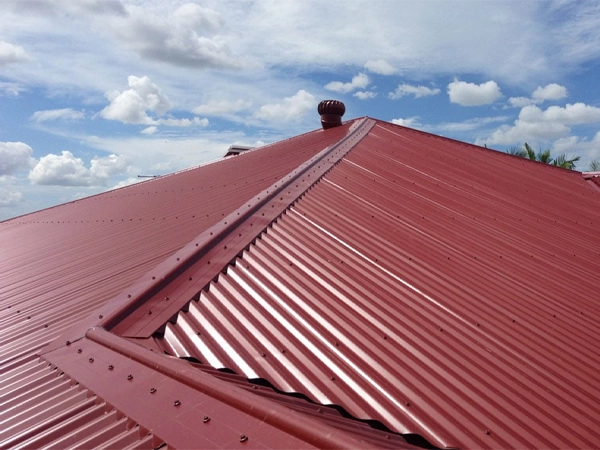
Choosing a roofing contractor involves more than finding someone to install new materials. You need to understand the condition of your existing roof, identify the source of any damage, and determine which solution makes sense for your property.
Roofing problems can develop gradually or appear after severe weather. A small leak around flashing, for example, may allow water to reach the roof decking or interior ceiling. Missing shingles can expose underlying roofing components to further weather exposure.
Tanner’s Roofing Service helps property owners explore roofing solutions based on their project requirements. From individual repairs to complete roofing installations, we work with different roofing needs for residential and commercial buildings.
If you are comparing roofing companies in Pine Bluff, consider the contractor’s experience, proposed scope of work, materials, project documentation, and communication before making a decision. You can also learn more about Tanner’s Roofing Service and our experience serving Central Arkansas.
Different roofing problems require different approaches. The right service depends on the roofing material, the condition of the existing system, the extent of the damage, and your property’s requirements.
A roof does not always need complete replacement when damage occurs. If the problem is limited to a particular section and the surrounding materials remain in suitable condition, a targeted repair may be an option.
Common roofing problems that may require attention include:
Missing, cracked, or lifted shingles
Water entering through damaged roof sections
Deteriorated flashing around roof penetrations
Loose or damaged roofing components
Leaks following heavy rain or strong winds
Damage around roof vents and other openings
Finding the source of a leak is important because water can travel away from the original entry point before appearing on an interior ceiling.
If you notice water stains, dripping, or visible roofing damage, arrange an assessment to determine the appropriate solution.
Explore our roof repair services to learn more about common roofing problems and repair options.
Roof replacement may be worth considering when roofing materials have deteriorated extensively or repeated repairs are no longer a practical long-term solution.
Before replacing a roof, it is important to evaluate its overall condition. The age of the materials, the extent of existing damage, the condition of the underlying roof deck, and previous repair history can all influence the decision.
A roof replacement project may involve:
Assessing the existing roofing system
Identifying damaged or deteriorated sections
Selecting suitable replacement materials
Removing existing roofing when necessary
Checking the underlying roof structure
Installing the new roofing system
Reviewing the completed work
The best replacement option depends on the building and its roofing requirements.
Learn more about our roof replacement services and available roofing solutions.
A new roof installation requires careful consideration of the building’s design, roofing materials, drainage requirements, and installation process.
Property owners planning new construction or a roofing upgrade should consider the intended use of the building, the roof’s slope, the material’s characteristics, and the project’s overall requirements.
Our roofing installation services cover projects that require a new roofing system for residential and commercial properties.
Before starting an installation, discuss material options, project scope, and the expected work with your roofing contractor.
Explore our roof installation services for more information.
Strong winds, hail, heavy rainfall, and falling branches can affect roofing materials and expose vulnerable areas of a property.
Some storm damage is immediately visible, such as missing shingles or fallen tree branches. Other problems may be less noticeable, including damaged flashing, lifted roofing materials, and small openings that allow water to enter.
After a storm, look for the following signs from a safe location:
Shingles or roofing materials on the ground
Visible damage along roof edges
Fallen branches or debris on the roof
Water stains appearing on ceilings
Damage around gutters and roof drainage areas
Loose or displaced roofing components
What should you do after storm damage?
Keep people away from areas where water is entering or ceiling materials appear unstable.
Move furniture and belongings away from affected areas if it is safe.
Photograph visible damage from the ground.
Avoid climbing onto a wet or damaged roof.
Contact a roofing professional to discuss an inspection and possible repairs.
If you plan to file an insurance claim, document the damage and contact your insurance provider about the policy requirements. Do not assume every type of storm damage is covered.
Tanner’s Roofing Service can discuss the roofing condition and potential repair requirements with you. You can also explore our roof repair options for additional information.
Metal roofing is an option for property owners considering a different roofing material for their building.
Depending on the selected system, metal roofing can offer durability, weather resistance, and a different appearance compared with traditional shingle roofing.
Before selecting a metal roof, consider:
The building’s design and roof structure
The type and profile of metal panels
Proper fastening and installation requirements
Flashing around roof openings and transitions
Drainage and ventilation considerations
The manufacturer’s material and warranty information
A suitable metal roofing system should be selected according to the property’s specific requirements.
Explore our metal roofing services for more information about roofing materials and installation options.
Commercial buildings with flat or low-slope roofs often require roofing systems designed for those particular conditions.
TPO, or thermoplastic polyolefin, is a single-ply roofing membrane commonly used on commercial buildings. Its installation involves attention to membrane seams, flashing, drainage, and roof penetrations.
When considering TPO roofing, property owners should evaluate:
Existing roof condition
Roof slope and drainage
Membrane installation requirements
Seams and flashing details
Insulation requirements
Maintenance and inspection needs
A roofing assessment can help determine whether TPO is appropriate for the building.
Learn more about our TPO roofing services.
Residential and commercial buildings have different roofing requirements. The correct approach depends on the building’s structure, roofing system, usage, and maintenance needs.
Homeowners may need roofing assistance because of aging shingles, recurring leaks, storm damage, or plans to upgrade their existing roof.
Common residential roofing projects include:
Roof leak repairs
Damaged shingle replacement
Roof replacement
New roof installation
Metal roofing projects
Roof ventilation-related work
If you are unsure whether your roof needs a repair or replacement, an assessment can help you understand its condition and available options. You can also review our residential roof replacement services.
Commercial properties often have larger roof areas and different drainage and material requirements than residential buildings.
Flat and low-slope roofing systems need particular attention to membrane condition, seams, flashing, drainage outlets, and areas where equipment or other structures penetrate the roof.
For commercial roofing projects, property owners should consider:
The size and condition of the existing roof
Water drainage and ponding concerns
The condition of seams and roof penetrations
Business operations during roofing work
Repair versus replacement requirements
Long-term maintenance considerations
A clear project scope helps property owners understand the work involved before approving a roofing project.
One of the most common questions homeowners ask is whether damaged roofing materials can be repaired or whether a complete replacement is necessary.
The answer depends on the overall condition of the roofing system rather than one visible problem.
A repair may be suitable when:
Damage is limited to a small section.
Most surrounding roofing materials remain in good condition.
A leak has a clearly identifiable source.
Flashing or another individual component needs attention.
The roof does not show widespread deterioration.
Replacement may be worth considering when:
Damage affects large sections of the roof.
Roofing materials show widespread deterioration.
Leaks continue despite previous repairs.
Multiple roofing components require significant work.
The roof is approaching the end of its expected service life.
These are general considerations, not a substitute for a professional assessment. A roofing contractor should evaluate the actual condition before recommending either option.
If replacement is necessary, explore our roof replacement options. For a completely new roofing system, you can also review our roof installation services.
Roofing project costs vary depending on the property and the work required. Two roofs that appear similar from the outside may need different materials, labor, and preparation.
The following factors can influence your roofing estimate:
1. Roof Size
Larger roof areas generally require more materials and installation work.
2. Roofing Material
Asphalt shingles, metal panels, and commercial membrane systems have different material and installation requirements. Explore our metal roofing options to understand one of the available roofing systems.
3. Existing Roof Condition
Damaged decking, deteriorated flashing, and other underlying problems may require additional work.
4. Roof Design and Accessibility
Steep slopes, complex roof layouts, multiple levels, and difficult access can affect project requirements.
5. Repair or Replacement Scope
A localized repair is different from replacing an entire roofing system. The affected area and amount of work influence the estimate.
6. Storm-Related Damage
Wind, hail, falling branches, and water intrusion may require additional inspection and repair work.
Before approving a project, ask for a written estimate that explains the proposed work, materials, and any additional costs that may arise if hidden damage is discovered.
Selecting a roofing company is an important decision because roofing work affects the protection and condition of your property.
Tanner’s Roofing Service has served Central Arkansas since 1972 and works on residential and commercial roofing projects.
Here are some points to consider when discussing your roofing project with our team:
Our roofing services include repairs, replacements, installations, metal roofing, and TPO roofing. Different roofing systems require different materials and installation considerations.
We work with different property types, from residential homes to commercial buildings, with solutions based on the requirements of each project.
Identifying the source and extent of a roofing problem is an important part of choosing the right repair or replacement approach.
Before proceeding with roofing work, property owners should understand the recommended scope, materials, and estimated costs.
Tanner’s Roofing Service has been serving Central Arkansas since 1972. You can learn about our company’s background and explore examples of our work in our completed roofing projects gallery.
If your property is in Little Rock, you can also explore our roofing services in Little Rock.
Tanner’s Roofing Service offers residential and commercial roofing solutions, including roof repair, roof replacement, roof installation, metal roofing, TPO roofing, and related roofing work.
Look for missing shingles, recurring leaks, damaged flashing, water stains, and widespread deterioration. A roofing assessment can help determine whether a localized repair or complete replacement is more appropriate.
Yes. If storm damage affects a limited area and the surrounding roofing system remains in suitable condition, a targeted repair may be possible. The extent of damage needs to be assessed first.
Keep people away from affected areas, move belongings away from the leak if safe, and collect dripping water where practical. Do not climb onto a wet roof. Contact a roofing professional to discuss the issue.
Roof replacement costs depend on roof size, material selection, roof design, accessibility, removal requirements, and the condition of the underlying structure. Request an estimate based on your property’s specific requirements.
Whether you are dealing with a roof leak, storm damage, aging roofing materials, or planning a new installation, choosing the appropriate roofing solution starts with understanding your property’s needs.
Tanner’s Roofing Service has served Central Arkansas since 1972 and works on residential and commercial roofing projects.